
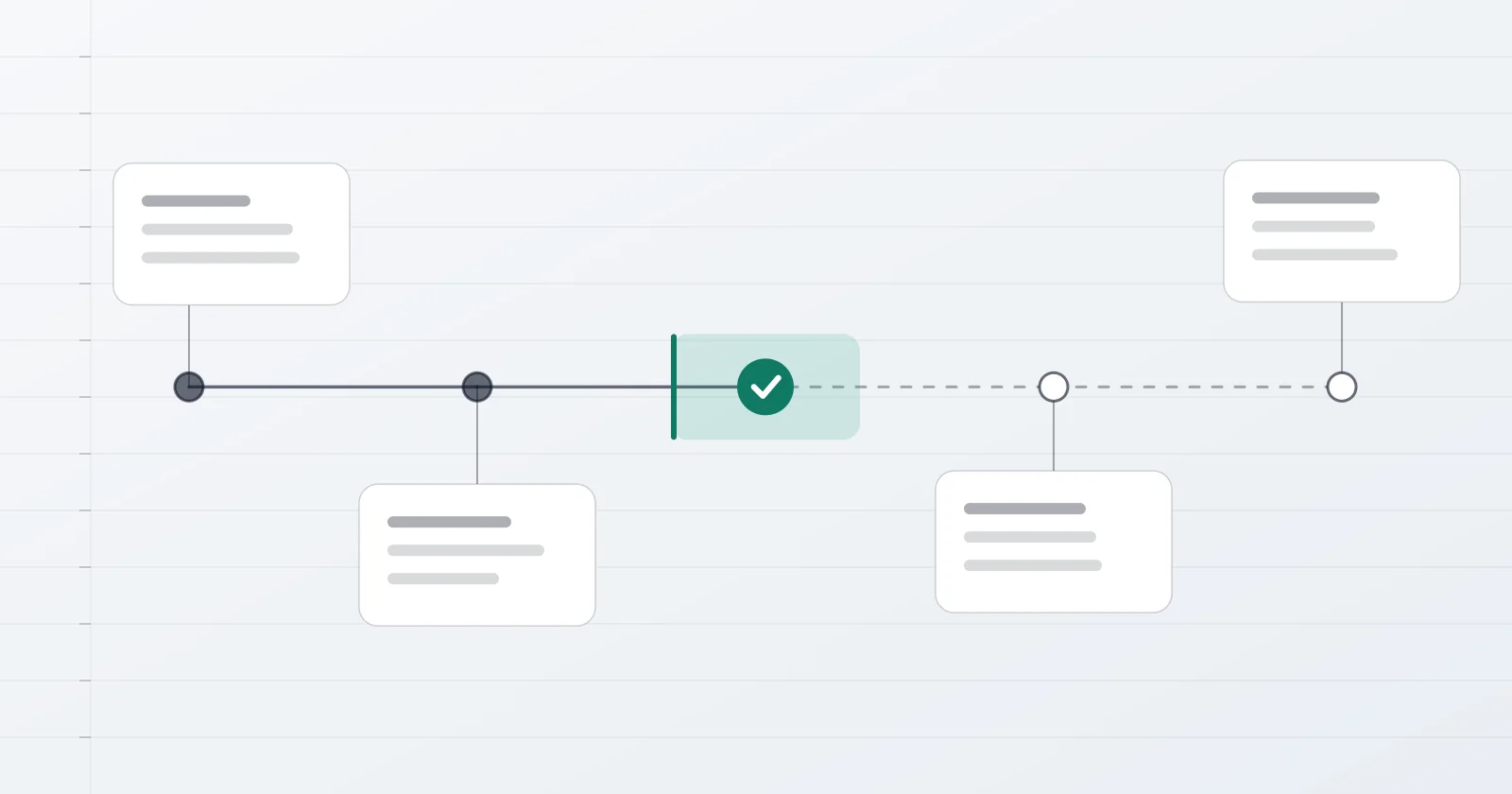
An interview can be booked internally while the candidate is still waiting for the details they need to turn up.
Before you buy coordination support, decide what the supplier is responsible for preparing and what your recruiter has to confirm. A booking, an invitation and an attendee’s acknowledgement are three different pieces of evidence. Your trial should make those differences visible, including when a message fails or a panel member changes.
Write a statement of work for one defined interview workflow. Include the permitted records, participants, calendar arrangements, confirmation evidence and exceptions the trial will exercise. Name who reviews prepared messages, and who decides the next action when a proposed appointment can’t be confirmed.
The aim is a purchasing decision you can explain: which coordination tasks you observed, which boundaries held and which still need evidence. Use the instructional cases below to shape the trial. They aren’t actual customer results, and they don’t claim that any supplier offers every control discussed.
What should an interview coordination software trial cover?
Cover one defined coordination workflow, from approved interview request to a clearly recorded appointment or an unresolved exception. Specify the participants, information, preparation tasks and recruiter approval points. Include candidate and interviewer confirmation evidence separately. Keep selection decisions, new role promises and unrelated recruitment processes out of the trial unless your team explicitly adds and evaluates them.
Start with a role and an interview stage your recruiter can describe accurately. State the meeting format, the expected participants and who’s authorised to change the arrangement. Ask the supplier to name the records and calendar connections the proposed support would use. A broad claim of interview automation isn’t a scope description, so don’t accept it as one.
List the preparation task in desk language. It might be organising availability, drafting the candidate’s confirmation message or preparing an exception summary. Then say whether the trial includes an external invitation or only a proposal for the recruiter, and make that difference visible in the statement of work.
Keep attendance confirmation separate from availability. A person who suggests a possible time hasn’t necessarily acknowledged the final location, meeting link or panel arrangement. Define what evidence the recruiter needs for the appointment your trial will use.
Ask what stays manual. A supplier might support one calendar arrangement but leave candidate messages or client confirmations with the recruiter. Record that boundary before you measure effort. You’re assessing a shared workflow, so a task left out of the demo still needs an owner on the desk.
How do you write a usable trial statement of work?
Write the statement of work around the appointment being coordinated, the permitted preparation and the evidence needed for acceptance. Name supplier and agency responsibilities at each boundary. Include exclusions, exception ownership and the authority to stop or narrow the trial. A covering recruiter should be able to find today’s approved next action in it without ringing the original buyer.
Use a short schedule with specific entries. Don’t copy a generic supplier proposal and swap in your agency name. The template below is a proposed procurement worksheet, not a description of an available product or a legal contract clause.
| Trial item | Agreement to record | Evidence to inspect |
|---|---|---|
Interview scope | Role, stage, format and authorised participants | Approved interview request |
Permitted information | Records, calendar access and message details | Access and material review |
Preparation boundary | Availability organisation and draft messages | Source-linked proposal |
External action | Who approves and sends each invitation | Approved payload and observed send |
Confirmation standard | Candidate and interviewer evidence required | Separate current acknowledgements |
Exceptions | Missing replies, changed details and failed delivery | Named owner and next decision |
Closure | Accepted scope, unfinished work and access removal | Recruiter readback and exit record |
Before signing the schedule, give every empty evidence field an owner. If the supplier doesn’t collect an attendee’s reply, name the agency person who will. If the client controls the joining link, work out how that instruction reaches the reviewer. A task you’ve excluded still needs a practical route to completion.
Cover information that arrives late. If the client hasn’t confirmed the panel, decide whether the supplier can prepare a proposed slot or has to wait for a recruiter decision. Don’t let the trial turn missing client information into an assumed attendee.
Keep the working schedule where the people reviewing the work can reach it. Commercial details may need their own document, but the recruiter still needs the operational instruction. Ask a covering colleague to find the approved scope, the current exception and the responsible owner. If the answer depends on an undocumented conversation, fix the schedule before the trial begins.
What evidence distinguishes booking from confirmation?
Tell apart an internally recorded appointment, a sent invitation, technical delivery evidence and the attendee’s acknowledgement. Define which combination the trial requires for each participant. Inspect the current details, not just a successful status label. If the evidence doesn’t establish attendance under the agreed standard, keep the unresolved confirmation visible and assign the next decision.
Greenhouse's manual scheduling documentation says candidates are not included in the calendar event by default, although system settings can change that behaviour. This is specific documentation, not a claim that every scheduling product works the same way.
Use it to ask a concrete procurement question: who receives what in your proposed configuration? Look at the candidate message and the interviewer invitation separately. Check the meeting details each recipient can see and where the time zone comes from. A panel event on the recruiter’s screen doesn’t show that the candidate has the intended information.
Define acknowledgement carefully. The trial might require a reply accepting the current arrangement, or another agreed response the recruiter can inspect. An automated reminder isn’t the attendee’s confirmation, and a message that was prepared or queued isn’t one that was received.
Create one permitted case where the internal appointment exists but candidate confirmation is still outstanding. Ask the reviewer to explain the next action. The expected result keeps the pending boundary, rather than showing one undifferentiated confirmed state. You’re testing whether the workflow tells the recruiter what they know and what they still need to establish.

How should changed details be handled during the trial?
Specify what happens when the time, location, meeting link or panel changes after an invitation is prepared or sent. The current arrangement and the affected recipients must stay clear. Define who approves the replacement communication and what acknowledgement is needed. Who approves a replacement an agent has prepared? In an AI agent framework, the answer is a named recruiter. Keep earlier details identifiable as superseded, and don’t assume a new event informs every attendee.
Greenhouse's confirmation email documentation says its calendar files are not linked to scheduled interviews, so date or time changes require an updated calendar file to be sent manually. Treat this as a configuration-specific example of a boundary to check.
Your trial should show the original arrangement, the changed instruction and the proposed replacement. Ask the recruiter which recipients are affected. If one interviewer changes while the candidate’s time stays the same, decide what the candidate needs to know instead of sending an unexplained wholesale replacement.
Test a changed meeting link as well as a changed date. The right time attached to a dead link is still an incomplete arrangement. Check the candidate-facing content that will actually go out, including any calendar attachment or joining instructions.
Keep the wider rescheduling process separate from this procurement exercise. The trial evaluates the agreed supplier responsibilities for preparing, issuing and confirming the revised arrangement. Your recruiter still decides how to manage the relationship and whether the client-approved interview can go ahead. And don’t promise that every external calendar will remove superseded details in the same way.
Which exceptions belong in the agreed service boundary?
Include the exceptions that can leave the appointment unclear: missing replies, unavailable interviewers, rejected slots, incomplete details and failed communication. Define who owns each one, what preparation the supplier may perform and which action needs approval. Ask for evidence of the unresolved state and the handoff, not a generic promise that the system handles scheduling problems.
Choose a manageable set that exercises your real workflow. A client panel with one member outside your connected calendars needs different evidence from a panel entirely within one organisation. A candidate who asks for a call instead of a scheduling link introduces a communication boundary. Record the cases you include and the configurations you don’t test.
For a missing response, agree the checkpoint and the next owner. A suggested follow-up isn’t an approved send, and an approved send isn’t a reply. Keep those steps apart when you review a supplier demonstration.
For failed delivery, ask what evidence the recruiter can inspect and how the task stays open. Don’t specify an automatic alternate channel unless the supplier has demonstrated it and the proposed use is appropriate. The responsible recruiter decides what happens to an undeliverable invitation.
Include an exception where the available slot conflicts with a client instruction. The result you want is a question or a hold someone can inspect, not a fabricated compromise. Ask the covering colleague to name the unresolved issue and the authorised decision owner. A clear exception boundary is part of the service you’re buying, not merely a technical inconvenience.
What information and access should the trial permit?
Permit the information and access the defined coordination task needs, with the responsible agency owner approving the arrangement. Specify who can see candidate details, calendars and prepared messages. Ask how access is limited and removed. Use controlled material for the trial, and assess the particular information flows before widening the workflow to live recruitment work.
For an APP entity, OAIC APP 11 guidance requires reasonable steps to protect held personal information from misuse, interference, loss and unauthorised access, modification or disclosure. That guidance does not certify the security of a supplier or this trial design.
Keep the candidate message focused on the appointment. Ask whether internal comments, another candidate’s information or unnecessary client detail could appear in the proposed communication. Define the review step that checks the recipient and the contents before anything goes out.
Check the calendar access arrangement on its own. Ask what the supplier can read, create or change, and under whose account. A request for calendar availability shouldn’t be read as unexplained permission to inspect every calendar item. Get the actual configuration and have the authorised owner assess it.
At trial closure, ask for evidence of the agreed access removal and material handling. Keep legal retention questions apart from a supplier’s technical deletion button. Specify which work stays with the agency and who will review any pending messages. Closing the trial should leave the desk with a usable instruction, not a loose collection of connected accounts.
How do you agree acceptance criteria before testing?
Agree acceptance criteria that identify the correct appointment, the appropriate recipient, the current details, recruiter approval and the required confirmation evidence. Include expected exceptions and permitted manual work. Set the criteria before you inspect results, then record observations against them. A supplier’s general performance claim can’t replace evidence for your specific coordination arrangement and participants.
The UK Responsible AI in Recruitment guide describes performance testing against predetermined quantitative requirements or benchmarks. Its UK context is explicit; it is a procurement method reference here, not an Australian legal standard.
For your trial, define a completed coordination case in operational terms. Which invitation was approved, who received the relevant details and what confirmation is still required? Decide how unresolved or abandoned cases will be reported. If your criteria require candidate acknowledgement, don’t count a scheduled internal event as completed attendance coordination.
Specify the manual work included in acceptance. The recruiter may need to edit a draft, verify a time zone or call a client owner. Record those tasks. They aren’t incidental effort outside the supplier demonstration.
Use an instructional case where a candidate accepts the time but asks whether the interview is online. The trial should keep the open format question until the right instruction is confirmed. Don’t mark the arrangement ready because part of the response is positive. Acceptance should reflect the actual evidence for the current appointment, including qualifications that still need a decision.
How should recruiter review and approval work?
Require recruiter review of the proposed participants, appointment details, recipient and external message before the consequential action your team has defined. Make the approved version identifiable, and test what happens if details change afterward. Review should support an informed decision, including correction or refusal. It shouldn’t just stick an approval label on preparation the recruiter can’t inspect.
Ask the reviewer to compare the draft against the authorised interview request. They should be able to say whether the proposed message accurately represents the time, location, format and participants. If the supplier prepares a summary of replies, the reviewer should be able to tell the person’s own wording from an interpretation.
OAIC commercial AI guidance recommends assessing whether an AI product is tested for its intended uses, how human oversight is embedded and who accesses personal information. Apply that privacy guidance to the actual organisation and proposed use, rather than treating an approval button as sufficient evidence.
Include a case where the recruiter corrects one detail after reviewing a draft. Look at the version proposed for external use and ask whether the correction survived. If a new participant is added later, check whether the trial boundary calls for a fresh decision about the recipient or message.
Let the reviewer refuse a proposal. A useful trial shows what happens to the pending appointment and who takes over the work. Keep the supplier’s operational approval separate from a recruiter’s approval of an individual invitation. Accepting the tool for a defined scope shouldn’t authorise every future message automatically.
How do you measure the work without inventing a result?
Measure the observed coordination work against a defined current process, including recruiter review, corrections and exception handling. Report completed arrangements and unresolved cases separately. Keep the task mix and the observation limits visible. Don’t infer attendance, candidate satisfaction or hiring outcomes from a booking count, and don’t promise savings before you have evidence from the agreed trial.
Record the steps your recruiter performs today: gathering the client’s instruction, checking availability, preparing messages, getting approval and confirming the arrangement. When you compare trial work, hold the definition of completion steady. Otherwise a faster preparation step can hide a confirmation task someone else still does.
Ask the operations lead to note the manual work that exceptions create. If a failed candidate message means a phone call, count that effort. If the supplier’s output needs repeated correction, keep those observations as part of the purchasing evidence.
Use denominators that answer the decision you’re making. An observed set of proposed slots is not the same as a set of approved invitations or acknowledged appointments. State which cases were included and which stayed unresolved. Don’t turn the trial into a market-wide performance claim.
The handoffs and scheduling guide gives context for looking at stage waits and coordination ownership. Keep this trial focused on its defined service boundary. A broader hiring process can still have delays elsewhere even when the coordination task you observed is accepted.
What should the final purchasing decision record say?
Record whether you accept, narrow or decline the observed coordination scope, with the evidence behind that choice. List the unresolved conditions, the manual responsibilities and the person authorised to release the workflow. Keep commercial agreement and operational acceptance apart. Give the covering recruiter a practical instruction on what may be prepared, approved and sent after the trial closes.
Write the decision around the workflow, not the supplier’s whole platform. You might accept draft confirmation preparation while keeping calendar changes manual. You might accept a particular panel configuration while withholding judgement on external calendars that weren’t exercised.
Keep the cases and configuration behind the decision. A supplier screenshot or summary deck alone may not explain why an exception was acceptable. Link each observed outcome to the criterion it addressed, and keep the remaining gap visible.
Add a closure check for unfinished appointments. Decide who receives the current arrangement, the pending acknowledgements and the proposed messages when the trial ends, and ask that person to work out the next action from the record alone. An unresolved interview stays open in the agency’s process. It shouldn’t vanish when access to the supplier trial stops.
Name the owner of any proposed wider test. If the agency wants to add a different interview format or calendar arrangement, define the next evidence request. A successful narrow trial isn’t blanket acceptance of every coordination task.
Read the final instruction with the covering recruiter. Ask who still needs to confirm the appointment, which message can be sent and what happens if a panel member changes. If their answer differs from the approved boundary, repair the instruction before release. The purchasing record should survive a handover without leaning on the buyer’s memory of the demo.
What should you confirm with FluxHire before the trial?
Confirm the preparation tasks, records, integrations and recruiter review steps supported for your team. Bring a proposed coordination statement of work and ask which parts can be evaluated within early access. Treat calendar actions, automated reminders and confirmation controls as open questions until the applicable scope is confirmed. Agree the evidence and approval boundary before relying on the workflow.
FluxHire is building an AI agent framework where agents prepare work and recruiters review and approve it. During early access, supported records, integrations and review steps are confirmed with each team.
Start with the AI agent framework guide and describe the appointment you want to coordinate. Ask the team to identify the preparation and review arrangement, and don’t assume every task in this article is available. Use the security information when discussing permitted material and access.
Bring one normal case and one exception that matters to your desk. A useful exception might be an internally scheduled interview with candidate confirmation still missing, or a joining link that changed after approval. These are proposed evaluation cases, not claims about implemented FluxHire controls.
Leave the discussion with a defined scope and a named next step. The recruiter should know what evidence they’ll inspect and who decides whether the observed preparation can be used. That gives your agency a concrete trial instead of another broad promise of interview automation.
Frequently asked questions
Is an internal booking enough to confirm an interview?
Define the evidence required for each participant. An internal booking, sent invitation and attendee acknowledgement answer different questions. Inspect the current time, format and joining details, and keep any missing confirmation visible. Your trial should show who owns that gap and what the recruiter must approve before treating the arrangement as ready.
Should the trial include every calendar configuration?
Start with a configuration your agency can describe and authorise clearly. Record the accounts, participants and actions included. Keep untested arrangements outside the acceptance decision, even if the supplier supports them generally. If another calendar setup matters to your desk, add a defined case and review its evidence before widening scope.
What happens if a candidate does not reply?
Agree the checkpoint, permitted follow-up and responsible owner in the statement of work. Keep a missing reply separate from a failed delivery or a declined time. Ask the recruiter to approve the appropriate next action. Do not let an automated reminder or a queued message count as the person's acknowledgement.
How should a changed meeting link be tested?
Use an authorised case where the link changes after a proposal has been reviewed. Inspect the replacement message, affected recipients and current joining details. Check the approval and confirmation boundary your team requires. Keep the earlier arrangement identifiable as superseded without assuming that every external calendar will remove it automatically.
Can the supplier contact candidates during the trial?
Specify whether the trial permits external action or only prepares proposals for review. Agree the records, recipients, messages and approval responsibility before testing. A supplier's general sending capability does not settle your agency's permission for this workflow. Keep proposed contact within the authorised arrangement and inspect the actual communication evidence.
Should we count review time in the comparison?
Include recruiter review, correction, manual confirmation and exception work in the observed process. Keep the definition of completion consistent with your baseline. A quick draft can leave substantial coordination unfinished. Report what was accepted and what remained unresolved, without inferring attendance or hiring outcomes from the speed of preparation.
Does operational acceptance change the commercial agreement?
Keep those decisions separate and involve the authorised parties. Your trial decision should describe the observed workflow and its limits. Any fee, notice, service commitment or contract change needs its own agreement. Do not treat a worksheet entry or a successful test as automatically settling the supplier's commercial responsibilities.
Does FluxHire provide all the coordination controls described?
Confirm the preparation tasks, records, integrations and review steps supported for your team's early-access evaluation. The calendar actions, reminders, confirmation evidence and exception controls in this article are proposed criteria. Ask which parts can be tested, and keep unconfirmed controls outside the operational scope your agency accepts for live use.