
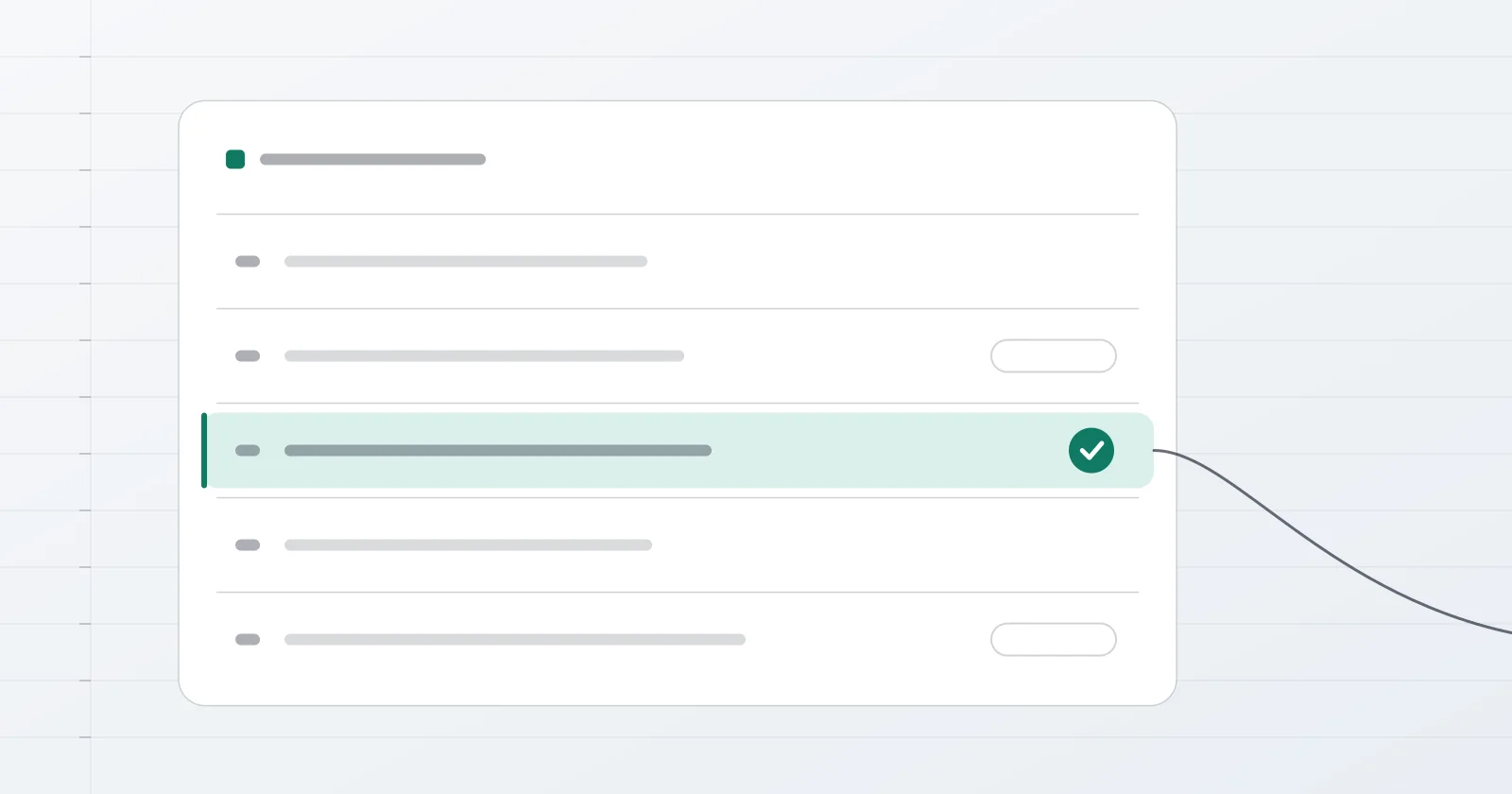
An account plan should make the next responsible decision easier to see.
A consultant opens a company record with a recent announcement, an old vacancy, a contact note and a proposed follow-up. The software gives them a tidy account summary. Before using it, the consultant still needs to know whether those items are about the same organisation, what the client actually confirmed and why the suggested next action makes sense.
Compare recruitment account planning tools through that decision. Give each proposed workflow the same permitted account packet and ask for a plan that connects evidence to authorised next steps. Include uncertain signals, a changed client instruction and a covering consultant’s readback. Judge what the consultant can verify and act on, not how many fields got filled in.
This article gives you a scorecard to adapt when you evaluate proposed tools. Its cases are not customer stories or measured vendor results. It doesn’t establish hiring demand, contact permission or that a supplier supports every behaviour described. The agency keeps the relationship decision and confirms the scope before using operational records.
What should an account planning tool help a consultant decide?
An account planning tool should help the consultant see what the evidence supports, which relationship question is still open and what authorised next step would address it. The plan should connect evidence, interpretation and action without merging them. Good preparation makes the decision inspectable; it doesn’t create a vacancy, a client commitment or permission to contact anyone.
Pick a planning question before you choose the demonstration. For example: which evidence supports a conversation about the client’s next staffing priority? That’s a different job from asking software to find everyone at a company or rank every possible prospect.
Spell out the output you expect. A compact plan might hold the account identity, the confirmed client position, the relevant observations, the unresolved questions and an action owner. Ask for a source reference on any statement that would change how the consultant approaches the client.
Keep research and planning apart. Research gives you material to examine; the plan explains how that material bears on the relationship decision. A long list of company facts doesn’t show, on its own, why a particular next step is useful or permitted.
Name what the tool must not conclude. A public expansion announcement isn’t a confirmed recruitment mandate. A former vacancy isn’t a current requirement. And a contact’s job title doesn’t give them authority to approve agency terms.
Decide what makes a plan acceptable before you see the output. Otherwise a fluent write-up or a busy dashboard shifts the evaluation away from a supported next decision and towards how convincingly the tool fills the page.
How should the comparison establish the correct account identity?
Require the plan to name the organisation, the relevant operating unit and the client relationship under discussion. Keep similar names, subsidiaries and separate locations distinguishable. Ask the consultant to show why each source belongs to this account before it goes in the plan. A correct company name doesn’t mean every group announcement concerns the team’s actual client.
Build a practice packet that contains a trading name and a similarly named organisation. Include one source about the parent company and another about the local operating unit. The expected output keeps those relationships intact and doesn’t blend every plausible detail into one story.
ASIC's company register guidance says searches can use an organisation name, a registered business name it holds or a unique identifier such as an ACN. Use registry information as identity context. It does not establish hiring plans, commercial commitment or the authority of a particular contact.
Ask the consultant to mark the account boundary before anyone judges the suggestions. A national announcement may be useful background and still say nothing about the local client’s staffing position. The plan should state that limit instead of pinning the strongest available signal on every branch.
Check identity again when a proposed action involves another unit. A relationship with one team doesn’t quietly give you authority over a different subsidiary or contact. Record who can confirm the right account and relationship scope.
Treat ambiguous matching as an open dependency in the plan. A plan that asks the consultant to confirm the entity is doing its job. A confident summary of the wrong organisation is a material error, even when every individual fact is copied accurately.
Which account material should the demonstration use?
Use an agreed packet of relevant client instructions, permitted relationship notes and identifiable public sources, with versions and dates where known. Include enough evidence to test the planning decision and leave out unrelated personal records. The consultant should be able to say why each input is there and notice when a suggested action relies on material outside the agreed scope.
Start with practice material wherever real operational information isn’t needed. Label the account and conversations as demonstration cases, keep the realistic uncertainty, and don’t present them as actual client events. Agree the expected interpretation before you ask a supplier to prepare the plan.
OAIC's APP 3 guidance says publicly available personal information must still be collected in accordance with APP 3 or APP 4 and is subject to the APPs once collected. This is scoped to personal information and APP entities. Public availability is not blanket permission to collect contact details for any account planning purpose.
Separate the client’s instruction from background material. A consultant’s note might record a confirmed preference, a possible future conversation or their own hypothesis. The plan should preserve which of those the source actually contains.
Record missing inputs and don’t paper over them with speculation. If the packet doesn’t establish which unit has the requirement, the output should flag exactly that question. More company facts may not settle a relationship uncertainty.
Hold the packet steady across comparisons. If a supplier needs another source type or configuration, record the changed scope and its effect on the expected result. A comparison is more useful when the director can see exactly what each workflow received. For the permitted-records side of a trial, see scoping an account workflow software pilot.
How should tools distinguish evidence from account opportunity hypotheses?
Ask each plan to separate confirmed client information, observable signals and hypotheses that still need verifying. Keep the wording and source behind every material statement. A hypothesis can guide a useful question without becoming a claimed hiring need. The consultant should be able to strip out a speculative reading and still keep the underlying observation available for review.
Pair a public announcement with a client note saying the staffing implications aren’t settled. The expected plan can propose a clarification call if that’s appropriate. It shouldn’t write that the client is recruiting just because the announcement suggests business activity.
Test a source that refers to a hiring exercise that has already finished. Ask the plan to tell that history from a current opportunity. A recent retrieval date doesn’t make the original requirement current, and an old vacancy isn’t a standing mandate.
OAIC's commercial AI guidance recommends clearly indicating where information is an AI output and a probabilistic assessment rather than fact, including the data and system used to generate it. Use that privacy context when reviewing inferred personal information; the proposed planning distinction is not a certification of compliance.
Demand a reason for the hypothesis. “Worth reviewing because the approved client note leaves this priority open” gives the consultant something to inspect. A vague line that an account has high potential can hide the unsupported conclusion steering the next action.
Keep a rejected hypothesis visible in your findings. Say whether it used the wrong account, overstated a source or lacked the client’s confirmation. That makes the next test specific, so you aren’t just asking the supplier for more persuasive planning language.
What should an account-plan comparison scorecard contain?
A comparison scorecard connects each planning case with its evidence boundary, the expected interpretation and the consultant’s disposition. Include accepted, corrected and held outputs, then record the action authorised after review. Score the plan’s support and usability. Don’t rate the client’s value or turn unverified opportunity signals into a commercial forecast.
Agree a reference answer with the responsible consultant. It should say what can be stated, which questions are still open and what next step the agency may consider. If reviewers disagree about the answer, sort out the agency’s instruction before you score any software preparation, including that of the FluxHire platform.
These cases are illustrations. They describe observations to collect, not supplier scores or measured results.
| Planning case | Evidence boundary | Expected review test | Permitted next decision |
|---|---|---|---|
Similar organisation names | Sources identify different entities | Keep separate account relationships | Confirm the intended entity |
Confirmed client priority | Current permitted note states the need | Preserve wording and scope | Review an agreed follow-up |
Public expansion signal | Announcement does not confirm recruitment | Retain a qualified hypothesis | Decide whether clarification is appropriate |
Historical vacancy | Source describes an earlier hiring exercise | Avoid presenting a current mandate | Seek current client context |
Conditional contact route | Relationship note limits the audience | Preserve the stated condition | Responsible consultant reviews approach |
Changed instruction | Client revises the planning priority | Identify superseded next action | Review the revised plan |
Unsupported opportunity | No source establishes the proposed need | Hold or remove the assertion | Name the missing confirmation |
Cover handover | Original consultant is unavailable | Explain evidence and next owner | Continue only the authorised step |
Keep mandatory conditions apart from presentation preferences. A readable plan tied to the wrong organisation shouldn’t pass because its headings are tidy. Record why the failed condition stops you relying on the output.
If the agency uses a numerical score, state what it means and where it stops. Skip a universal pass mark or an estimated account revenue figure unless you have a proper basis for it. A reasoned accept, repair or hold decision can tell you more than an average that buries one consequential unsupported action.
How should changed client instructions affect the account plan?
Test a changed instruction by keeping the original source and identifying what the authorised revision changes. The plan should update the affected interpretation and next action while preserving unresolved questions and the source relationship. A newer message doesn’t automatically control every account detail, and an old approved plan can’t justify a step the client has superseded.
Give the demonstration an initial instruction to discuss one staffing priority, say the permanent search. Then add a later client response steering the conversation towards another issue, say contract cover, with the timing left open. The expected plan picks up the changed priority and keeps the timing unresolved.
Check the proposed next action after the revision. A summary may reflect the newer instruction while a task description still carries the old approach. Ask the consultant to compare every part of the output that would influence what someone else does next.
Hold on to the source scope. A contact’s update about their own team may not revise the account relationship across every business unit. Require the plan to say which part changed, which part is still supported and who can confirm the wider reading.
Record the amendment work separately from the final disposition. If the consultant corrects an overstated priority, preserve the original wording and the reason. A useful final plan shouldn’t erase the preparation error the comparison exists to reveal.
Rerun the affected case with the revised permitted packet. One correction isn’t evidence that every stale instruction will be handled properly. The director should see which planning boundary was tested and what another exercise would need to examine.
How should a covering consultant read and use the plan?
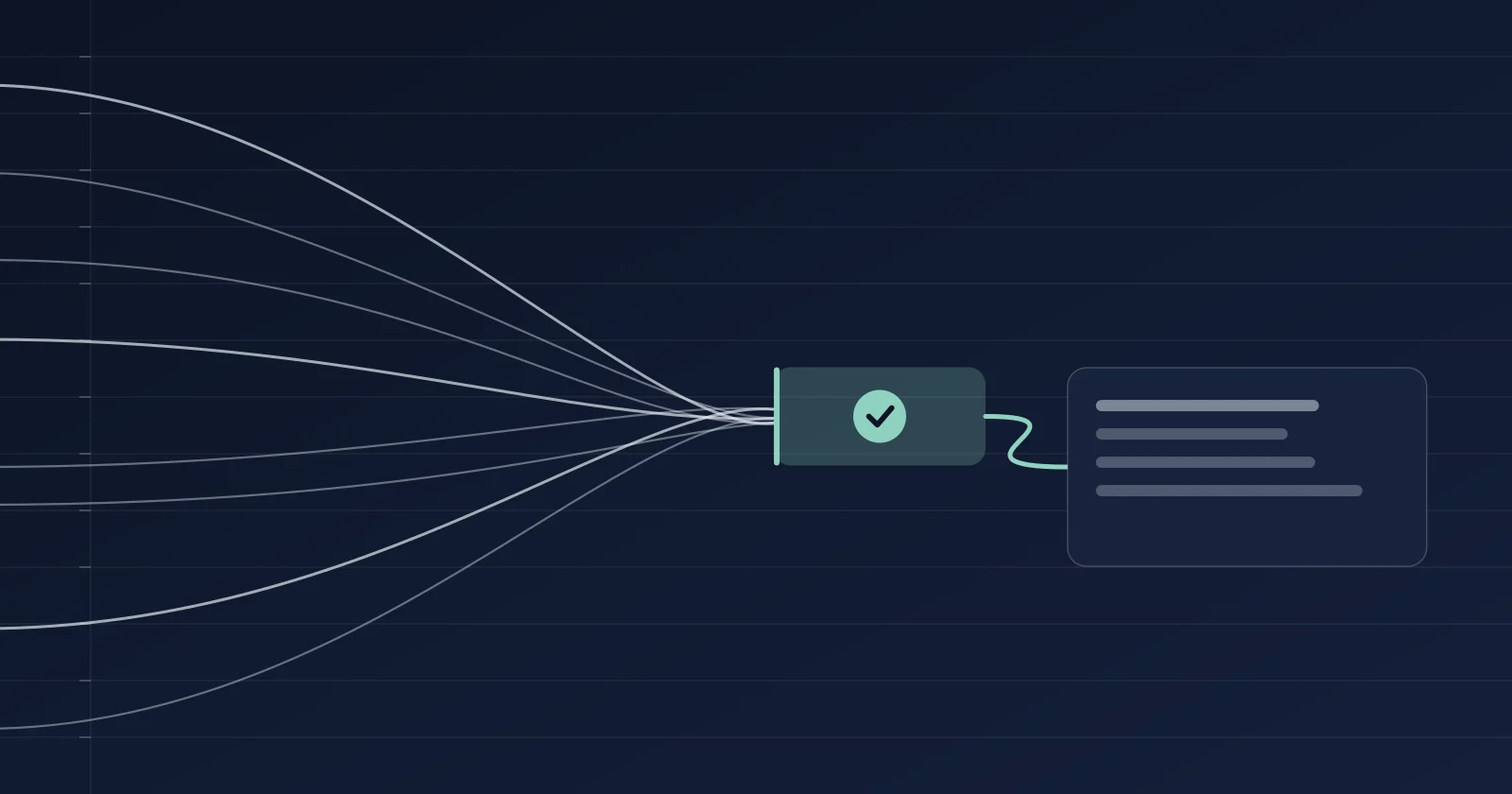
Give a covering consultant the reviewed plan and the relevant source references, then ask them to explain the account identity, the confirmed position, the open question and the authorised next step. They shouldn’t need the original presenter for missing context. The readback should show where they must wait for another decision instead of guessing what the client wants.
Begin with the reviewed version, not the supplier’s demonstration story. A covering consultant on a Monday morning, with a client call coming up, won’t have the presenter to hand. Ask which source supports the proposed action and which client condition limits it. If the answer depends on remembering the presentation, fix the record before you call the output useful for day-to-day planning.
OAIC's APP 10 guidance says an APP entity must take reasonable steps to ensure personal information used or disclosed is accurate, up to date, complete and relevant, having regard to its purpose. Keep that scope when reviewing contact information. The scorecard does not determine every obligation or certify the account packet.
Test a handover that carries an unresolved entity question. The covering consultant should see that the plan can’t yet support contacting the proposed person. They can name the clarification needed and its owner, without treating the ambiguity as an invitation to research unrelated personal details.
Have them tell a planning hypothesis from a promised outcome. A proposed conversation about future staffing isn’t a confirmed vacancy or a client agreement. If the wording invites that reading, correct the passage and repeat the readback.
Keep the actual handover observation. Record what the consultant could explain and where they needed help. That’s evidence about how useful the reviewed plan is. It isn’t a made-up claim that the tool improves collaboration across every account.
How should tools be compared without borrowing vendor rankings?
Compare the same permitted account packet and expected decisions across the proposed workflows, and record configuration and access differences. Assess source fidelity, appropriate hypotheses, authorised actions and the consultant’s checking work. Keep observed behaviour apart from marketing descriptions. A useful comparison explains suitability for the tested task. A generic recruitment CRM ranking isn’t the answer.
Ask each supplier to demonstrate the plan. Showing that account fields exist isn’t enough. A contact record, shared inbox or pipeline view is useful infrastructure, and it can still leave the evidence-to-action decision untested. Record what the demonstration actually shows.
Current comparison guides already cover client relationships, pipeline separation, communication history and agency fit. Those categories tell you what to ask. They don’t establish the plan’s accuracy or the permission for its next step. This scorecard adds controlled account cases and a reviewed action disposition.
Describe the checking work concretely. The consultant reopened a source, separated a parent from an operating unit or removed an inferred hiring requirement. Compare those observations alongside the final plan, and don’t invent saved time or a success rate from a demonstration.
Include the unsuccessful and held outputs. A supplier can correctly identify that an account question is still unanswered. Measure that against the reference answer, and don’t reward every populated opportunity field whether or not the evidence supports it.
If a workflow only fits a narrower task, document that. A tool may organise the notes you supply without doing any public company research. Confirm that scope and compare the relevant preparation result, and leave untested sourcing, communication or record changes unconfirmed.
What should the agency do with a plan that fails the comparison?
Find the unsupported statement or action, hold anything that depends on it and assign the smallest repair or clarification needed. Keep the original output and the consultant’s correction so the findings explain the failure. Then decide whether to narrow the task, repeat the case or stop. A rejected plan shouldn’t sit around as an approved account instruction.
Tell source access apart from interpretation. If the tool can’t use a permitted client note, the plan may lack the context it needs. If it receives the note and loses its qualification, the problem is in the preparation. Those findings call for different next evidence.
Ask the supplier which supported correction route it can show. A repair may be manual, or it may need another configuration decision. Record the actual approach. Don’t assume the product automatically recalls every dependent task or superseded export.
Give the agency owner a pending-work list: plans accepted for the tested purpose, plans that need repair and plans whose next action is still held. Add the responsible person and the source version needed to carry on through the agency’s existing process.
Check the handback with an ordinary consultant. They should be able to find the reviewed plan and say what they may do next. If a rejected output could be mistaken for the accepted version, log that as an open operational question before anyone recommends wider use.
Finish with a narrow decision. The agency might keep testing note organisation while stopping unsupported opportunity inference, for example. State the evidence behind that choice and the conditions that must be met before any broader task is reconsidered.
Where should FluxHire fit in the account planning comparison?
Ask FluxHire to confirm the preparation tasks, records, integrations and recruiter review steps supported for the early-access team. Bring the permitted account packet and the expected decisions. Treat account summaries, hypotheses, action proposals, amendments and handback as evaluation questions until scope is confirmed. Agents prepare work, while recruiters review evidence and approve consequential actions.
FluxHire is an AI agent framework where agents prepare work and recruiters review and approve it. During early access, supported records, integrations and review steps are confirmed with each team. This scorecard does not promise an available account planning assistant or every proposed comparison behaviour.
Read the AI agent framework overview and AI recruitment overview for broader context. Then explain the relationship decision the agency has to make and which material the consultant can inspect before approving a next step.
The contact and company research guide shows how to check research before you use it. Review the relevant security questions alongside team-specific source access and handling. Confirm research scope and operational actions within the proposed evaluation.
Keep the final scorecard, the correction reasons and the unresolved limits. The decision that matters is whether the tested preparation helps a consultant explain a supported account position and an authorised next action. That ties a concrete comparison back to the relationship work the agency wants to improve.
Frequently asked questions
Is an account plan the same as a company research report?
A research report can provide material about an organisation. An account plan should connect relevant evidence to a relationship question and authorised next step. Compare whether the consultant can explain that connection, including what remains uncertain. More company facts do not necessarily resolve the client decision the agency needs to make.
Does a company announcement establish a recruitment opportunity?
An announcement can be relevant context without establishing a current vacancy, recruitment mandate or client commitment. Keep the observation separate from the planning hypothesis. Ask what the client has confirmed and which clarification would change the next decision before approving an approach based on inferred staffing demand.
Why should the comparison include similar organisation names?
Similar names, subsidiaries and operating units can make individually accurate facts belong to the wrong account. Require the plan to show the relationship between each source and the intended organisation. An identity question should remain visible until resolved, rather than being concealed by a confident summary or generic matching result.
Should tools receive actual client records during the demonstration?
Instructional material can test interpretation and action boundaries without operational records. If actual information is proposed, confirm permitted use, access and handling first. Keep the packet relevant to the agreed task and record any change in scope. Technical access or public availability does not itself settle the applicable permission.
Does a stored contact address authorise marketing outreach?
Review the actual action and applicable consent requirements before approving it. A stored address, public profile or account relationship does not automatically settle every proposed marketing use. Keep the contact route and its conditions visible in the plan, with the responsible consultant deciding what may proceed and what remains held.
What should happen when a client changes the priority?
Retain the earlier instruction and identify the authorised change, its scope and any unresolved timing or conditions. Review the affected plan and proposed action against the revised source. A later message about one team should not automatically rewrite the entire account relationship or establish authority for unrelated follow-ups.
Does FluxHire support every account planning test described?
The scorecard describes evaluation criteria. FluxHire is an AI agent framework where agents prepare work and recruiters review and approve it. Confirm supported preparation tasks, records, integrations and review steps with the early-access team before assuming an account summary, hypothesis, action proposal or particular correction and handback route is available.
What should the agency retain after comparing tools?
Retain the permitted packet, expected decisions, prepared plans, consultant corrections and final dispositions through the agreed handling process. Include source versions, held actions, unresolved access questions and covering consultant observations. The record should support a bounded choice about the tested task rather than a blanket endorsement of a whole platform.