
The application moved forward. The promised update did not.
A consultant moves an application to interview requested, but the task to clarify the candidate’s availability is still unfinished. A colleague covering the desk sees the new status and assumes the next step is settled. The question worth asking in a comparison is whether the unfinished action stays visible, with its owner and the evidence needed to close it.
Recruitment open task visibility tools should be judged against that specific problem. A list of active applications tells you which processes are underway. An active application task queue should tell you what somebody still needs to do inside each one. The same candidate can have different unfinished work against different roles.
FluxHire is an AI agent framework. Agents prepare work and recruiters review and approve it. During early access, supported records, integrations and review steps are confirmed with each team. The tests below are evaluation criteria for proposed support, not promises that a particular task view, dependency control or completion workflow is available.
What should an unfinished application task view show?
An unfinished application task view should show the relevant application, the outstanding action, the responsible person, the next step and any dependency preventing completion. It should tell a changed application status apart from completed work. A covering consultant should be able to explain what remains due, and what evidence would justify closing each action, without guessing.
Start with the application rather than the candidate alone. Pair the person with a specific role, using the application reference your records provide. “Call candidate” isn’t enough when the person is being considered for several vacancies and the reason for contact differs. Candidate-level history is a separate question, covered in the relationship timeline comparison.
Write the action as a concrete piece of work. “Confirm the candidate’s available interview times for this role” tells a colleague more than “Interview follow-up”. Add why it’s still open: the request went out, but the candidate hasn’t confirmed the times yet.
Keep the next step separate from the outcome you want. A consultant can ask for availability; they can’t guarantee an answer. If the queue treats “request sent” as completing a task defined as “availability confirmed”, it has changed the meaning of the work.
Decide what the covering person must see before you compare tools: the relevant source, current owner, agreed timing and dependency. A task can be visibly open and still impossible to act on, because its description doesn’t say which confirmation is missing.
Use a short readback test. Ask a colleague to identify the unfinished action and describe the next permitted step from the view alone. Any explanation the original consultant supplies out loud is a gap in the evaluation evidence, not a reason to assume the view worked.
Keep a separate inventory of the actions you expect to see in the demonstration, and compare it with what the reviewer found, including items that didn’t appear in the initial view. That catches omissions a readback of visible items can’t reveal. If the reviewer describes every displayed task correctly but misses an action hidden by a filter, record both observations. The view may be easy to understand and still leave gaps in the application work you meant to review.
How do you separate an application status from an outstanding action?
Separate status from action by writing down what each represents before you configure the comparison. A status describes the application’s current position under your agreed definitions. An outstanding action describes work still required. Moving the application should not automatically prove that a promised update, confirmation or review has been completed unless the evidence establishes it.
For an instructional test, give an application the status “interview requested”. Attach unfinished actions to confirm candidate availability and check the client’s proposed format. A change to “interview arranged” should prompt a review of those actions, not silently supply their answers.
A task can become unnecessary after a change. If the client withdraws the interview request, the availability enquiry may be cancelled. Keep the cancellation reason and note any communication still required. Cancellation and completion are different outcomes, even when neither belongs in the active work view.
Recruit CRM’s hiring stage guidance describes adding remarks or creating follow-up tasks while changing a hiring stage. It is supplier-specific guidance, not proof of how another tool handles outstanding work. Use it to frame a demonstration that checks status and tasks together.
Keep the status dictionary outside this comparison. Agree the meanings your agency uses, then test whether unfinished work stays understandable as those statuses change. Otherwise reviewers may blame the tool for a confusing result when the underlying labels were never defined.
Don’t infer communication from progression. “Sent to client” does not, by itself, establish that the candidate received the promised update about that event. Add a separate action when the consultant’s approved process requires that update, and close it on its own evidence.
How should ownership appear when several people share the work?
Ownership should identify who is responsible for the outstanding action, not lean on the candidate record owner or everybody copied into a message. Where another person supplies information, show that dependency separately. Confirm the covering arrangement and the next review point, so an assigned name doesn’t conceal an unanswered handover.
In the availability example, the consultant may own the confirmation action while the candidate supplies the answer, and the client contact may provide the format. Naming the client as the owner of the consultant’s task would obscure who must follow up or review the reply.
Agree that distinction before you test a shared queue. Record the responsible person and the person whose response is needed. A helpful view lets a reviewer tell whether the task is awaiting a response, awaiting recruiter review or awaiting reassignment.
For cover, specify who accepts the action and which instructions carry across. Don’t treat an automatic record reassignment as evidence that a colleague understands the outstanding work. The comparison should include a covering consultant reading back the next step.
Microsoft Planner’s task guidance describes grouping by assignment, progress and due date. Those are documented task-view options for that product. They provide useful comparison dimensions without establishing recruitment-specific application relationships or the quality of a handover.
Include an absent-owner case in the test. The intended result is a visible issue for the authorised manager to resolve, not a task that drops out of everybody’s view. Check whether the reviewer can find it, spot the ownership problem and record the accepted next action.
What does a practical task visibility scorecard contain?
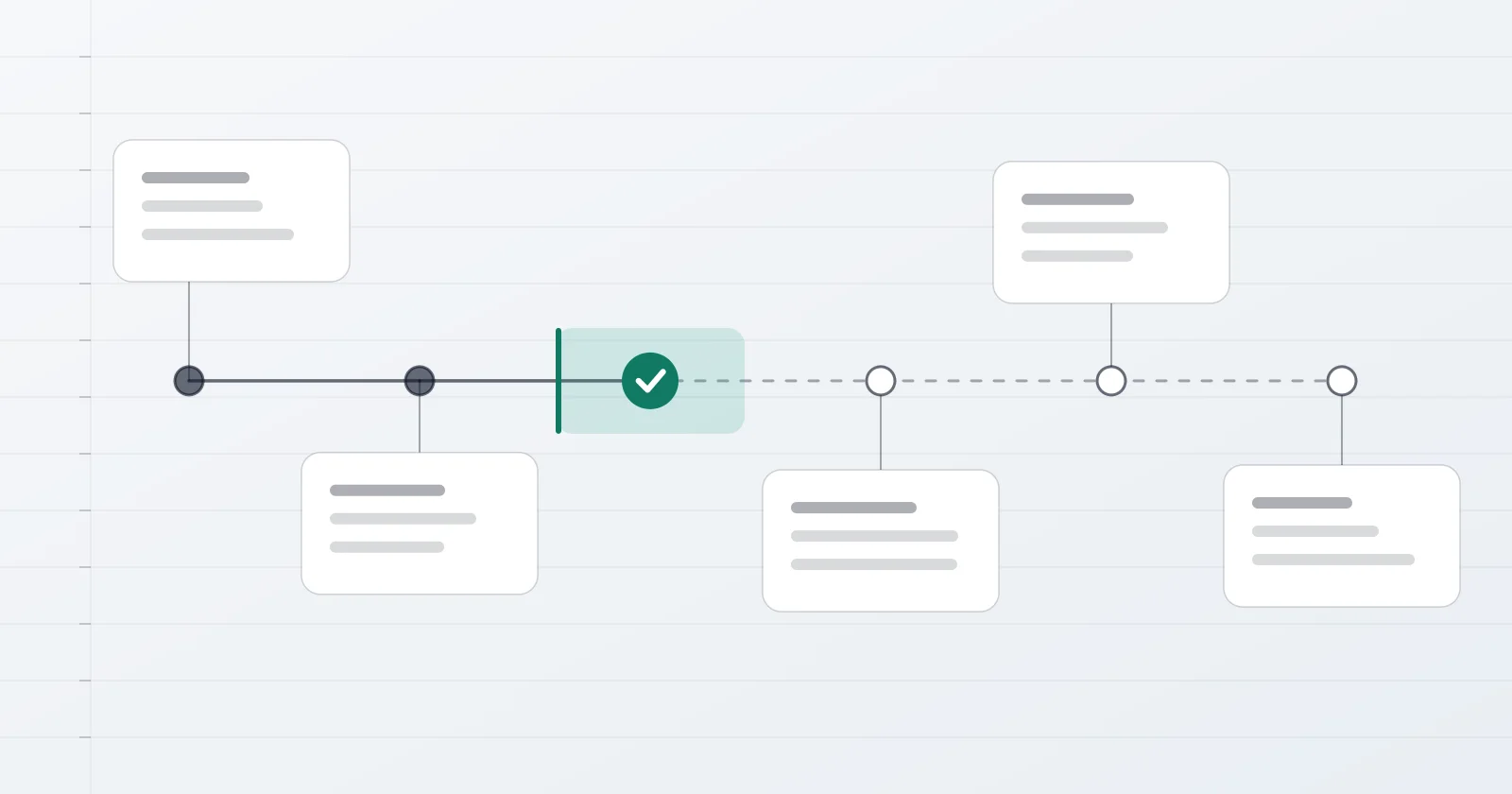
A practical scorecard should compare what the reviewer can establish about each outstanding action, using the same prepared cases across tools. Record the actual view, the reviewer’s readback and any correction required. Include status changes, dependencies and closure evidence, instead of giving a pass because the supplier can display a task list.
Use the following table as an instructional comparison template. It contains no recorded supplier results.
| Test case | What the reviewer must establish | Useful evidence to retain |
|---|---|---|
Active application with unfinished availability enquiry | Which role the enquiry concerns and who owns the next step | Application reference, action and readback |
Application moves to another stage | Whether unfinished work remains visible or has a justified disposition | Before and after view with task decision |
Action awaits a client answer | What blocks completion and who follows up | Dependency, responsible consultant and review point |
Consultant is unavailable | Who accepts cover and what they understand | Ownership decision and cover readback |
Task marked complete after a request is sent | Whether the agreed completion condition was actually met | Relevant message and completion review |
Required action becomes unnecessary | Why it was cancelled and what remains to communicate | Cancellation reason and remaining action |
Candidate has two active applications | Whether each role’s work stays separate | Application-specific actions and sources |
Add a column for the reviewer’s correction task: clarify wording, link the correct application, change ownership, reopen an action or explain a cancellation. Those details are worth more than a single overall rating with no reasons behind it.
Keep the configuration conditions beside the result: the view, filters, role permissions and materials used for the demonstration. A result observed in one configuration should not be presented as an assurance about every account or deployment.
Keep the case where the tool didn’t give enough information. If somebody had to open another source to understand the work, record that route. Extra navigation may be fine for your team, but it belongs in the comparison. The same goes for an agent-assisted option such as the FluxHire AI agent framework: agents prepare work and recruiters review and approve it, so note wherever the recruiter still had to open the source to understand an open action.
How do you test whether work disappears after a status change?
Test disappearance by recording the unfinished actions before a status change and checking their disposition afterwards. Review the application view, the responsible person’s queue and any relevant filtered view. Every affected action should stay open, be completed on evidence, be cancelled with a reason or be referred for an explicit decision.
Write the expected result first. For the availability enquiry, changing the application’s stage doesn’t answer the candidate’s availability question. The test should therefore expect the unresolved action to stay visible unless a separate event has resolved or withdrawn it.
Change one thing at a time. Move the application and leave the task alone, then inspect the relevant views. Next, change the task’s disposition and watch what happens. That makes it easier to tell application filtering from a genuine change in the work record.
Include a queue filter that looks sensible but could hide relevant work. An “interview requested” filter may drop an action once the application enters another stage. The comparison should ask how the covering consultant finds work that still matters outside that stage.
Don’t label every disappearance a failure. A deliberately completed or cancelled action should leave the active work view under the team’s agreed approach. What matters is whether the disposition is justified and recoverable, not whether every item stays on screen forever.
After the demonstration, ask the reviewer to explain where the action went. “It is no longer shown” is an observation. “It was completed” is a conclusion that needs evidence. Keep that distinction in the scorecard so a cleaner queue doesn’t automatically score better.
Then restore the original test state and repeat the change with a different outstanding action. Use one that should stay open and one that should be cancelled because its purpose has ended, and make sure the comparison preserves that difference. If both disappear in the same way, ask how their dispositions can be told apart through the authorised record. Don’t rely on the reviewer remembering which action was meant to continue; the evidence should make the explanation recoverable for another consultant.
How should dependencies and due dates be reviewed?
Review a dependency as the specific information, decision or event needed before the action can finish. Review the due date as an agreed timing expectation, not evidence that the dependency is resolved. Keep a responsible next step visible while waiting, and revise timing through an explicit decision when circumstances change.
For the interview example, tell waiting for the client’s format confirmation apart from waiting for candidate availability. They’re different dependencies and may need different follow-ups. A general “waiting” label doesn’t tell cover which person to contact or what answer would unblock the action.
Microsoft’s task date guidance explains start and due dates and how overdue dates are shown. Its page notes that the instructions are being updated for the new Planner experience. Check the current configuration during a comparison instead of assuming identical screens.
Give the test case an agreed review point. If the dependency is still unresolved then, the consultant should know whether to follow up, escalate or seek a new timing agreement. A due date alone doesn’t define that decision.
Test a changed deadline. Ask whether the revised timing and reason stay understandable to the covering person. The original task shouldn’t look complete just because its date was moved. Likewise, an overdue task may still be legitimately waiting on an identified dependency.
Don’t use deadlines to invent authority. The queue can show that a reply is needed, but it can’t make a client decision or approve a candidate commitment. Record the action the consultant is authorised to take while the dependency stays open.
What evidence should justify completing an action?
Completion evidence should match the action as defined. A request sent can complete an action to request information, while an action to confirm that information needs an answer and the appropriate review. Record the event, its source and any remaining limit, so a completed label doesn’t imply a broader outcome.
Define completion before the supplier demonstration. For “send approved update”, the relevant evidence is the approved communication and what actually happened to it. For “confirm interview details”, it’s the details agreed and the people whose confirmation the process requires.
Use a deliberately premature completion case. Supply evidence that a message was prepared but not sent, then mark the task complete in the illustrative material. Ask the reviewer to spot the gap and decide whether to reopen or redefine the task.
Don’t quietly redefine the task to rescue the result. If the agency chooses to split “request confirmation” and “review confirmation” into separate actions, record that change. The scorecard should then compare the new definitions consistently across tools.
OAIC’s APP 10 guidance addresses reasonable steps by APP entities to ensure personal information quality, including purpose-sensitive quality at use and disclosure. It does not prescribe this task scorecard or determine an agency’s obligations in a particular case.
Apply that context cautiously when a task record describes a candidate. Keep track of whether information is confirmed, proposed or still awaiting review. Don’t let a completion tick turn an unconfirmed candidate arrangement into a statement of fact in the next communication.
How should a covering consultant demonstrate that the view works?
A covering consultant should identify the relevant application, explain the unfinished action, name the responsible person and describe the next permitted step using the supplied view. Ask them what prevents completion and what would close the action. Record any missing context instead of quietly helping them during the test.
Use a person who didn’t prepare the demonstration case. Give them the ordinary access and instructions intended for cover. Ask them to read the work back in their own words, not hunt for a phrase you’ve told them to repeat.
A useful answer separates three things: where the application stands, what the agency still owes and what information another person must supply. If those collapse into “candidate is at interview”, the view hasn’t yet shown that cover can act appropriately.
Western Australia’s contract handover guidance emphasises understanding responsibilities and applies to changes between contract managers. It concerns public procurement contract management, rather than recruitment applications. Its responsibility-transfer principle offers context for this readback exercise.
Run a second test after making the correction the reviewer asked for. A clearer action description may solve the problem without changing the tool. Keep the original observation and the revised result, so the comparison shows what the agency must configure or maintain.
Check the boundary on cover as well. Understanding an action does not automatically authorise contact, record changes or a client commitment. The covering consultant should know when the next step is to get approval instead of doing the action directly.
How should an agency compare supplier demonstrations fairly?
Compare supplier demonstrations with the same application scenarios, expected action dispositions and reviewer instructions. Acknowledge the task and workflow features each supplier already documents. Keep what the documentation describes apart from what your team observes, and record configuration limits before drawing a conclusion about suitability for your unfinished work process.
Bullhorn’s Submissions Tab guidance describes viewing stages and creating tasks from submission history. Vincere’s candidate profile guidance describes reviewing tasks alongside a candidate’s application stages. These pages already connect workflow views with task activity.
That makes “does it have tasks?” a limited comparison question. Ask the demonstrator to show an unfinished action attached to the right application, then change the stage and explain what happens to the task. Keep a record of what was actually shown.
Give each demonstrator the same dependency and premature completion case. Ask what the responsible consultant can establish without your commentary. If a proposed configuration is needed, record it separately from what you observed in the current demonstration.
Don’t claim a supplier lacks a feature because a support page doesn’t discuss your scenario. Ask for clarification and mark the case unverified until it’s demonstrated or otherwise supported. Documentation and live observation answer different parts of the evaluation.
Include the agency’s own maintenance responsibilities in the comparison. A view depends on agreed action wording, ownership and dispositions. If the test needs the team to keep those up to date consistently, record that requirement instead of implying that software alone establishes completion.
How should proposed agent preparation fit the review process?
Proposed agent preparation should help assemble unfinished actions and their supporting context for recruiter review, within the scope confirmed for the team. Evaluate whether it preserves uncertainty, ownership and completion boundaries. The recruiter approves consequential actions, and a suggested task or prepared update should not be treated as work already performed.
Bring the application scenarios to the early-access conversation. Ask which records and review steps are supported, and whether the proposed preparation task can use the relevant sources. Don’t infer support for a task view or dependency workflow from broader agent positioning.
The AI agent framework overview provides product context. For this comparison, keep the question narrower: can the proposed preparation preserve the unfinished action and explain the evidence a recruiter needs before approving the next step?
Test a prepared summary containing an application stage, an open task and a missing confirmation. The summary should keep all three distinctions. If it reports the arrangement as settled, the reviewer should correct it before relying on the output.
Agree what happens after that correction. A review decision may need a revised proposal, an ownership decision or another source check. Keep those steps explicit instead of assuming that approving a summary approves every action mentioned in it.
Finish with the scorecard, configuration notes and a clear list of unresolved cases, so the team can decide what to evaluate next. A successful comparison produces an understandable account of unfinished work and its limits; it doesn’t need an invented improvement figure or a claim that the queue closes itself.
Frequently asked questions
Is an active application list enough to show unfinished work?
An active application list describes which recruitment processes remain underway under your definitions. It may not explain the actions still required within each process. Check the outstanding action, owner, next step and completion condition separately. The covering consultant should be able to establish those details without assuming that the application status supplies them.
Should moving an application automatically complete its tasks?
A status change should prompt review of affected tasks, but completion depends on the agreed action and its evidence. Some actions remain open, while others become unnecessary and need cancellation with a reason. Test the disposition explicitly instead of treating movement to another stage as proof that every associated action was performed.
What if a task is waiting for a client answer?
Record the specific answer needed, who is responsible for following up and the next review point. Distinguish the client supplying information from the consultant owning the action. Waiting should remain understandable to cover, with an authorised next step if the answer has not arrived at the agreed time.
Can a request sent be sufficient completion evidence?
It can be sufficient for an action defined as sending an approved request, subject to the relevant process. It does not establish that the requested information was received or confirmed. Define those as separate actions where appropriate, and retain the evidence required for each rather than expanding the meaning of a sent message.
How can we test cover without using real candidate information?
Prepare instructional cases with clearly described application relationships, outstanding actions and dependencies. Use those cases consistently across demonstrations and state that they are examples. Confirm the permitted materials for any later evaluation involving actual records. The readback test concerns understanding and authority, rather than creating realistic private candidate data.
Should completed tasks disappear from the active queue?
They may leave the active work view under your agreed approach, provided their disposition and supporting evidence remain understandable through the authorised review route. Test where they go and whether a reviewer can explain why. A task no longer shown should not automatically be described as complete.
Does FluxHire provide this application task queue?
The scorecard describes criteria for evaluating proposed support. FluxHire is an AI agent framework where agents prepare work and recruiters review and approve it. During early access, confirm supported records, integrations and review steps with the team, including the proposed task view, source materials and approval boundary.
What should the final tool comparison report contain?
Retain the scenarios, expected dispositions, actual observations, covering consultant readbacks and corrections required. Add the configuration and [access conditions](/security), along with any cases that remain unverified. This lets the agency compare unfinished work visibility without converting a polished demonstration or an incomplete support page into a broad capability assurance.